How to Build Ensemble in a Drama Class (Step-by-Step)
Learn how to build ensemble in a drama class step by step. Create trust, increase participation, and help students feel confident performing.
Katie Zakkak
7/15/20263 min read
As an Amazon Associate, I earn from qualifying purchases.
If you have ever stood in front of a drama class and been met with blank stares, you are not alone.
Some students are excited.
Some are unsure.
And some are silently hoping you do not call on them.
Before students can perform, take risks, or fully engage in drama, they need one thing first:
👉 Trust
That is what ensemble building is really about.
It is not just about playing games. It is about creating a classroom where students feel:
• Safe
• Supported
• Willing to try
And when that happens, everything else in your drama class becomes easier.
This is the step-by-step process I use to build ensemble at the start of the year and at the beginning of rehearsal processes.
Grab the Free Drama Classroom Toolkit
If you want ready-to-use activities and systems that support ensemble building, download my Drama Classroom Toolkit.
It includes warm-ups, planning tools, and classroom strategies that help create a strong foundation for your drama class.
Step 1: Start with “Why Drama Is Different”
Before jumping into activities, I always start with a conversation.
Because drama is different from other classes.
Students are being asked to:
• Be seen
• Take risks
• Try something new
• Potentially feel vulnerable
So we talk about that openly.
I ask questions like:
• Why might drama feel uncomfortable at first?
• What makes it easier to participate?
• What kind of environment do we need?
This helps students understand that their feelings are normal and that we are building something together.
Step 2: Build Expectations Together
Instead of handing students rules, involve them in creating expectations.
We discuss:
• What respect looks like
• What support looks like
• What should happen if someone breaks trust
Students help define:
• Classroom norms
• Positive reinforcement
• Consequences
When students contribute, they feel ownership.
And that ownership leads to stronger buy-in.
👉 Natural product connection:
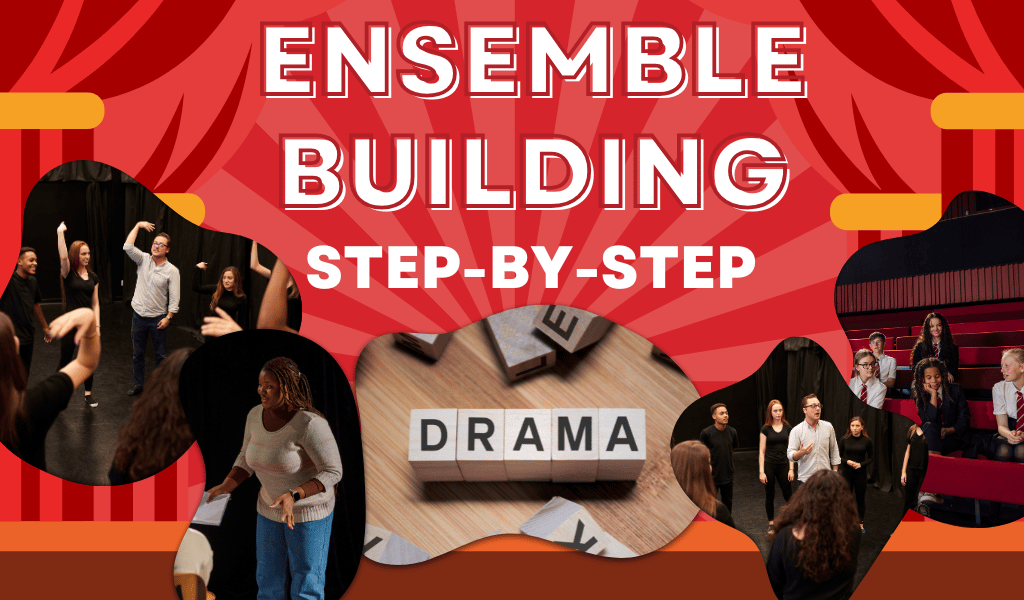
If you want a structured way to guide this process, my Ensemble Building Unit walks students through these conversations step by step while building classroom culture.
Step 3: Use Low-Risk, High-Participation Activities
At the beginning, avoid anything that puts a single student in the spotlight.
Start with activities where:
• Everyone participates at the same time
• The focus is on the group
• There is no “right” or “wrong”
Examples include:
• Group counting challenges
• Movement-based activities
• Sound and rhythm exercises
These activities help students engage without fear.
👉 Classroom tool:
Floor markers or cones can help define space for movement-based ensemble activities.
Step 4: Add Cooperative Competition
This is one of the most effective strategies, especially with hesitant groups.
Students often engage more when something feels like a game.
But instead of competing against each other, use cooperative competition.
Examples:
• “Can the whole class beat their previous time?”
• “Can both groups complete the challenge successfully?”
• Two teams attempting the same challenge, like a knot or puzzle, with shared goals
This creates energy and motivation without damaging trust.
Step 5: Build in Reflection
This is the step many teachers skip, but it is where the learning actually sticks.
After activities, ask:
• What worked?
• What helped your group succeed?
• What made things harder?
• How did you feel during the activity?
Reflection helps students connect the activity to:
• Trust
• Communication
• Collaboration
👉 Classroom Tool:
Student notebooks or reflection journals can help track responses over time.
Step 6: Gradually Increase Risk
Once students feel more comfortable, you can slowly introduce:
• Small group work
• Simple scene creation
• Character choices
The key is gradual progression.
If you move too quickly into high-risk activities, students may shut down.
If you build up slowly, confidence grows naturally.
Step 7: End with a Low-Risk Performance
I always like to include a first performance experience, but I keep it:
• Fun
• Low-pressure
• Slightly silly
For example:
Students might create short skits that demonstrate:
• What makes a strong ensemble
• What not to do in a drama class
• How to support each other
This gives students a chance to perform without the pressure of being “serious” or perfect.
And it sets the stage for deeper performance work later.
Why This Process Works
This approach works because it:
• Builds trust before performance
• Normalizes risk-taking
• Creates shared ownership
• Develops confidence gradually
Instead of forcing participation, you are creating an environment where students want to participate.
Want a Done-for-You Ensemble Building Plan?
If you want this entire process structured and ready to use, my Ensemble Building Unit includes:
• Step-by-step lessons
• Team-building activities
• Reflection prompts
• A scaffolded path to performance
It is designed to take your class from hesitant to confident.
Want More Drama Activities Ready to Go?
My Drama Games Bundle includes a wide variety of activities you can use throughout the year to continue building ensemble and engagement.
Want Your Whole Year Planned?
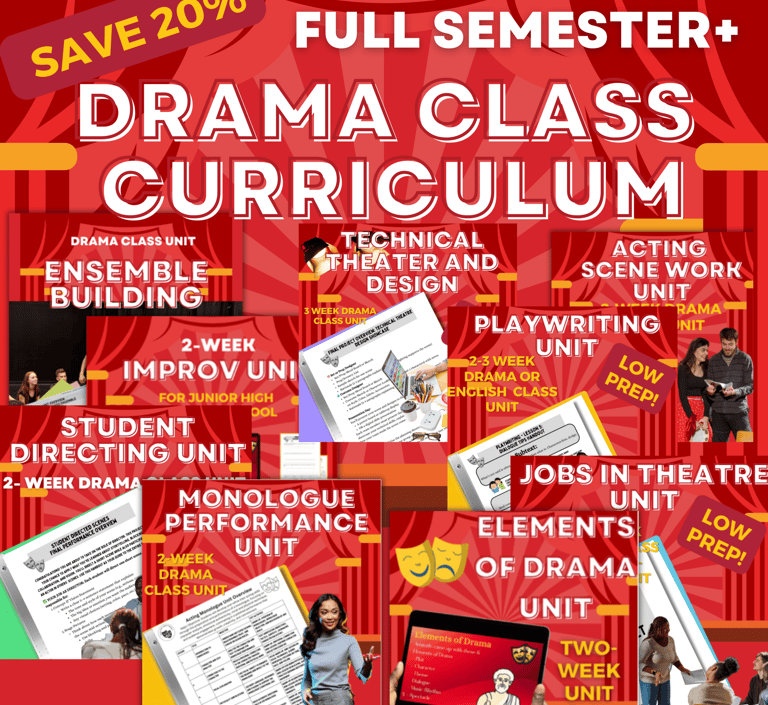
If you are building your drama program from scratch, my Full Drama Curriculum includes complete units covering acting, improv, technical theatre, and more.
Everything is structured so you are not constantly planning from scratch.