Ensemble Building Theater Games (That Actually Work for Middle & High School)
Discover ensemble building theater games that actually work for middle and high school drama classes, helping students build trust and confidence.
DRAMA TEACHER RESOURCES
Katie Zakkak
6/24/20265 min read
As an Amazon Associate, I earn from qualifying purchases.
If you have ever tried ensemble building activities and felt like…
“They’re not really buying in…”
“They’re still holding back…”
“This feels awkward…”
You are not alone.
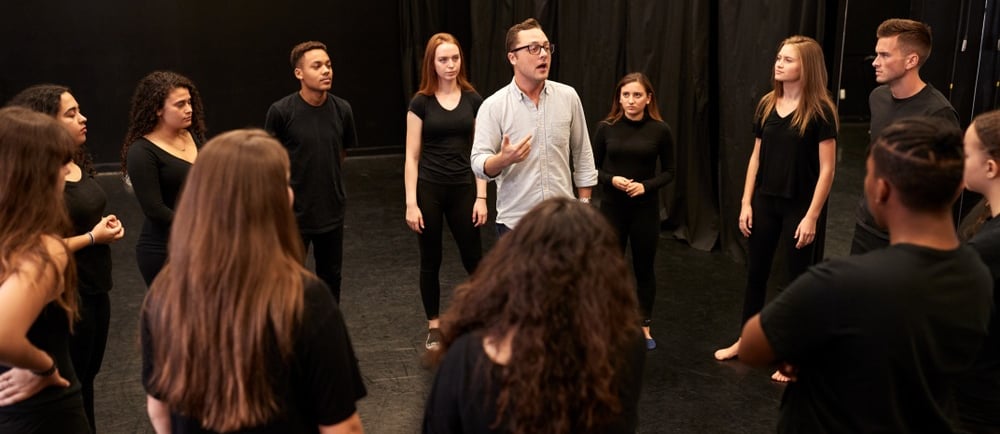
Ensemble building is one of the most important parts of a successful drama class, but it only works if students feel safe enough to participate.
The key is choosing ensemble building theater games that:
• Start low-risk
• Keep everyone involved
• Build trust gradually
• Feel fun instead of forced
Below are ensemble building games that are designed specifically for middle school and high school drama classes, with a focus on real engagement.
Grab the Free Drama Classroom Toolkit
If you want more ready-to-use activities and classroom systems, download my Drama Classroom Toolkit.
It includes warm-ups, planning tools, and ensemble-building strategies to help your class run smoothly.
Low-Risk Ensemble Building Games (Start Here)
These activities are ideal for the first few days when students are still hesitant.
1. Group Count Reset
How it works:
Students count from 1 upward with no assigned order. If two people speak at once, restart. The goal is to get to 20 without starting over.
If you have a large class, you might want to try this in smaller groups of 6-10 so everyone has a chance to contribute.
Why it works:
It builds listening, focus, and group awareness without putting anyone on the spot.
2. Space Awareness Walk
How it works:
Students walk around the room trying to evenly fill space without talking.
Add challenges like:
• No stopping
• No clustering
• Match speed with others
Why it works:
Builds nonverbal awareness and group connection.
3. Mirror Flow (Whole Group Version)
How it works:
Instead of pairs, one student begins a movement, and the entire group gradually mirrors it.
You can either allow leadership to shift naturally or assign different leaders.
Why it works:
Removes pressure while still building connection.
👉Helpful Tool:
Floor markers using spike tape or cones can help define movement space.
Cooperative Challenge Games (Build Buy-In Fast)
These are where things really start to click.
Adding a cooperative competition element increases engagement without harming trust.
4. Human Knot Challenge (Team Version)
How it works:
Small groups of about 6-10 peopls form a knot and try to untangle.
You can:
• Time each group
• Have groups try to beat their own record
Why it works:
It feels like a game, but builds communication and teamwork.
5. Silent Shape Race
How it works:
Call out an object (car, house, rollercoaster).
Teams must silently create it using their bodies as quickly as possible.
Why it works:
Encourages creativity, teamwork, and quick thinking.
6. Pass the Pattern
How it works:
Create a pattern of movement and sound that travels around the group.
Increase speed or complexity.
Why it works:
Builds focus and shared responsibility
👉 Helpful Tool:
A timer or stopwatch helps track progress and add urgency.
Trust-Building Activities (Once Comfort Increases)
7. Guided Walk
How it works:
One student closes their eyes while a partner guides them safely through a mini-obstacle course by telling them when to stop and go.
Why it works:
Builds trust quickly when done with clear expectations.
8. Back-to-Back Stand
How it works:
Partners sit back-to-back and try to stand up together without using hands.
Why it works:
Requires communication and cooperation.
9. Group Balance Challenge
How it works:
Students work together to create a balanced physical shape without falling.
Why it works:
Builds physical awareness and trust.
Communication-Focused Games
10. One Word Build
How it works:
Students build a scene or idea one word at a time. This can be done with a full group, with smaller groups, or even with just a partner.
Why it works:
Forces listening and shared ownership.
11. Yes, And Circle
How it works:
Each student adds to an idea using “Yes, and…”
You can do this in a full class circle, with small groups, or with partners.
Example:
Student 1: "We're visting the farm today"
Student 2: "Yes, and while we're there, we're going to be the goats."
Student 3: "Yes, and we'll need to pack food from home for the goats."
Etc.
Why it works:
Builds acceptance and collaboration.
12. Silent Line-Up Challenge
How it works:
Students must line up based on a category without speaking. Example categories include: Alphabetical order by name (first, last, or even middle), age, birthday, height
Why it works:
Encourages nonverbal communication.
Controlled Risk-Taking Activities
When students have some confidence and are ready to stretch
13. Freeze Dance & Justify
How it works:
Students play the classic freeze dance game, where they freeze when the music stops. The drama twist is that they must justify the frozen post they end up in as a character or situation.
It can help if the teacher calls out a suggestion for a situation. Example: "You are climbing Mount Everest."
Why it works:
Introduces performance in a low-pressure way.
👉Helpful Tool
Having a Bluetooth speaker handy for games like this helps you
14. 3-Second Character Exchange
How it works:
Students write three specific character traits on a notecard. Students throw the notecards down and each pick a random note card someone else made. They then have 3 seconds to become a character physically.
You can expand this by having a character party where they all interact with one another in character. You can also have each student act out their character for 15 seconds and see if the other students can guess the character traits.
Why it works:
Breaks overthinking.
15. Ensemble Skit Challenge
How it works:
Small groups create short, fun skits that demonstrate:
• Good teamwork
• Bad teamwork
• Problem-solving
Why it works:
Combines performance with ensemble learning.
This is a great preview of the type of work students do in my Ensemble Building Unit, where they build toward performance through structured activities.
Why These Ensemble Building Theater Games Work
These games are effective because they:
• Reduce individual pressure
• Build group trust
• Encourage participation through structure
• Gradually increase risk
They are especially helpful for:
• New classes
• Mixed experience levels
• Shy or hesitant groups
Want More Ensemble Activities Ready to Go?
If you want a full collection of activities like these, my Drama Games Bundle gives you a wide range of options that are organized and easy to use.
Want a Full Step-by-Step Ensemble Plan?
If you are looking for a complete system, my Ensemble Building Unit walks students through:
• Trust building
• Collaboration
• Communication
• Performance readiness
It is designed to take your class from hesitant to confident.
Helpful Classroom Tools for Ensemble Building
These tools can make activities run more smoothly:
• Timer or stopwatch
• Bluetooth speaker
• Floor markers or cones
• Clipboards for reflection
• Simple props for group activities